
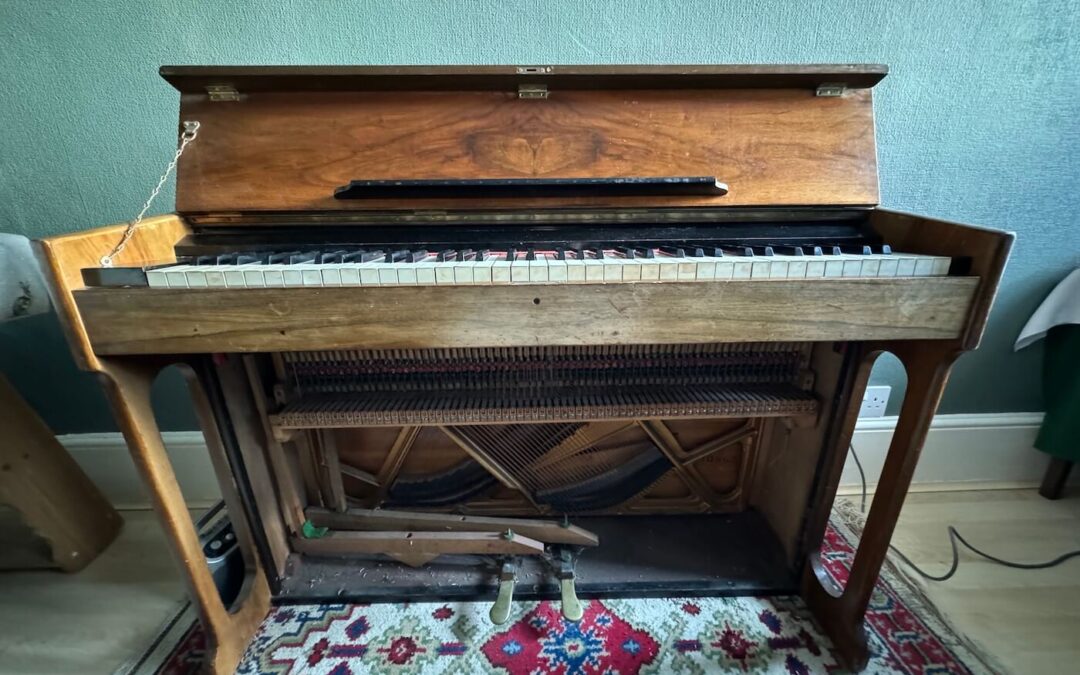
Buying a second-hand piano can be a cost-effective way to acquire a quality instrument. However, it’s essential to be aware of potential issues that may arise, particularly from the perspective of a piano tuner.
Common Problems with Second-Hand Pianos
Poor Tuning Stability:
Second-hand pianos may have issues with tuning stability, especially if they haven’t been properly maintained. Factors like climate changes, past repairs, or simply the age of the instrument can contribute to tuning instability.
Action Problems:
The action, the mechanism that connects the keys to the hammers, can be problematic in older pianos. Worn-out parts, misalignment, or improper regulation can lead to inconsistent touch, response, and even non-functioning keys or dampers.
Soundboard Issues:
The soundboard, a crucial component responsible for amplifying the sound, can become damaged or lose its structural integrity over time.
Keybed Issues:
The keybed, which supports the keys, can suffer from wear and tear, leading to uneven key action or sticking keys.
Case Damage:
Physical damage to the piano case, such as scratches, dents, or water damage, can affect the instrument’s appearance and potentially its sound.
Frame Issues:
The cast-iron frame, which supports the entire structure of the piano, can become cracked or damaged. This can significantly impact the piano’s sound, playability, and tuning stability. Repairing a cracked frame is extremely costly and may not be feasible. A piano with a damaged frame may be difficult or impossible to tune.
Tips for Buying a Second-Hand Piano
Purchase from a Reputable Dealer:
Consider buying from a reputable piano dealer like Bonners Piano Centres, who offers a 5-year warranty on their second-hand pianos. Bonners Piano Centres has their own workshop where specialist technicians inspect and refurbish pianos before selling them. With large showrooms in Eastbourne, Reigate, and Milton Keynes, Bonners Music offers a wide range of second-hand pianos, making it convenient for potential buyers to visit and try before they buy.

Buying from a Private Seller:
If you’re purchasing a second-hand piano from a private seller, it’s crucial to consult with a piano technician before making a purchase. A professional technician can assess the instrument’s condition, identify potential issues, and provide valuable insights. Feel free to contact me to arrange a pre-purchase assessment.
Check the Tuning Stability:
Ask about the piano’s recent tuning history and how well it holds tune.
Test the Action:
Play the piano to ensure the keys respond evenly and smoothly.
Consider the Age and Brand:
Older pianos may require more maintenance and repairs. Research the reputation of the piano’s manufacturer.
By carefully considering these factors and seeking expert advice, you can increase your chances of finding a high-quality second-hand piano that will provide years of musical enjoyment.
If you’re unsure about a specific piano, feel free to contact me for a pre-purchase assessment. I can provide expert advice and help you make an informed decision.